
In 1987, I was a young film reviewer for the San Jose Metro (now Metro Silicon Valley), the South Bay Area’s popular weekly newspaper. By October of that year, I’d reviewed about fifty movies for the paper, most of them cheaply made and awful teen movies with one-word titles, or lo-fi sci-fi from off-brand movie studios like Cannon Films. The paper’s senior reviewers wouldn’t waste time on such garbage, but I was the newest kid on the team, the “dog patrol” reviewer assigned to the worst dreck and drivel being shown at Silicon Valley’s cinemas. And I loved it.
Most of the time, my job was to describe a bad film in 150 words. The trick was to warn people away from the worst flicks, and use humor to entice them to return next week for more funny zingers about upcoming films. In return for two hours with a bad movie, and an hour crafting and shaping a clever review that night, I earned two free movie tickets, $7.50, and my name in print. The Metro was the most popular paper among my colleagues at Apple, where I had a day job as a software test engineer, so everyone I knew was reading my work. That’s a heady experience for someone barely out of college. And it was a fun weekly Sunday afternoon gig for a kid in her twenties to share with a friend.
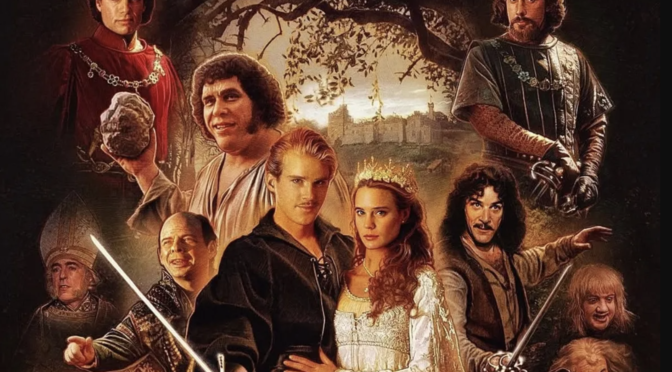
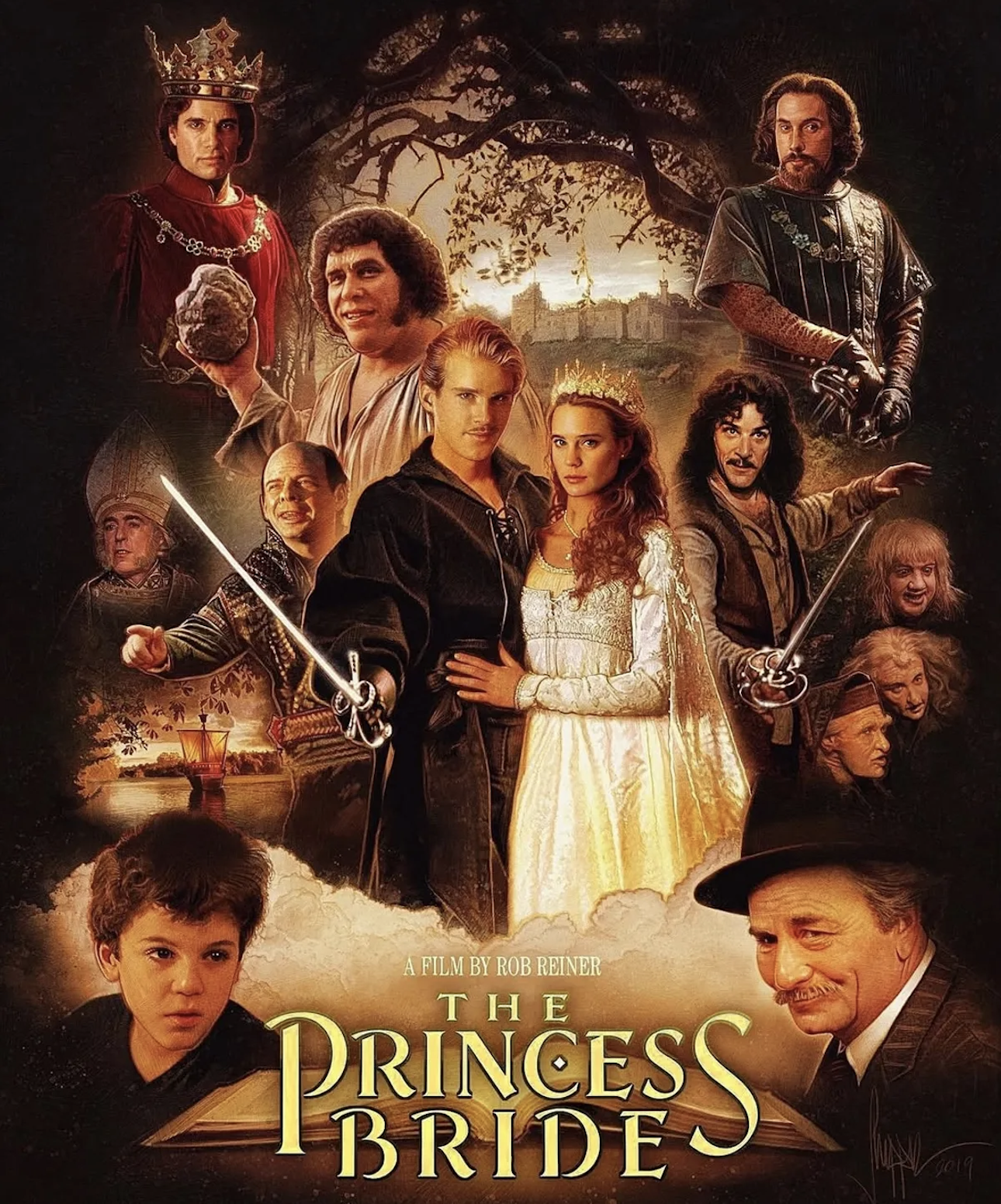
Very occasionally (maybe one time in ten), I was asked to write the week’s featured review. Each was 300 words and paid about $15. I sometimes reviewed an art house film; I occasionally saw a (not very good) foreign movie. But in October 1987, I was assigned a real winner. Based on one of my favorite novels by William Goldman, that week’s movie was the classic Rob Reiner comedy The Princess Bride. When I got the assignment, I felt joyful, but a little anxious, too—Reiner’s movies This Is Spinal Tap and Stand by Me (based on Stephen King’s novella The Body) had each come out not long before, and they were wonderful. I’d loved them, as nearly everyone did. But Goldman’s story was special to me. It needed just the right touch of silliness, madness, romance, adventure, and heart to work the way it should. Could Reiner pull it off?
You know the rest. The film was glorious. I was rapturous. I gushed about the movie in my 300-word featured review, and urged all my friends to see it. The performances and so many of the best lines (written by William Goldman himself, who adapted the screenplay from his novel) have become indelible parts of the film canon:
“Inconceivable!”
“You keep using that word. I do not think it means what you think it means.”
“Hello. My name is Inigo Montoya. You killed my father. Prepare to die.”
“Death cannot stop true love. All it can do is delay it for a while.”
“Have fun storming the castle!”
“As you wish.”
Of the 65 or so films I reviewed over two years at the Metro, none came close to entertaining me as much as Rob Reiner’s magical movie. Reiner had that rare gift of helping his audiences connect emotionally and immediately with his characters, whether through laughter, fear, love, or tears. As we’ve all heard and read many times by now, he also had that rare talent of connecting deeply and honestly with the people behind those characters. He made them feel trusted, cared for, and safe enough to give us brave, silly, beautiful, or heartbreaking performances. Their work hit us hard and stuck with us because it felt so human.
By all accounts, Reiner was a man who felt things deeply, and who loved collaboration. His sets, casts, and crews were famously collegial. In his work, he most enjoyed urging people upward and onward through kindness, decency, and humor. And when he wasn’t writing or directing award-winning films, he was helping to make connections among people who could effect lasting social change. He and his wife, the talented producer and photographer Michele Singer Reiner, were ardent and generous campaigners for equal rights for the LGBTQ+ community. They spent millions of their own dollars and countless hours successfully advocating for marriage equality. They also fought hard for early childhood education and healthy child development.
Rob Reiner was ardently and outspokenly liberal, and passionately critical of conservative Republicanism and Donald Trump. However, he also found friendship with people of different political persuasions, including former California Governor Arnold Schwarzenegger. Reiner spoke admiringly and kindly about Erica Kirk’s gracious words of inclusion after the murder of her husband, far right commentator Charlie Kirk, whose political beliefs were diametrically opposed to Reiner’s. The director sought to help people with opposing views to coexist and find common ground. He was a man of strong convictions, but also of great heart.
We’ve all heard many stories of people in the movie business who are good at playing heroes, but are less than gracious or kind behind the scenes. It’s always refreshing and moving to learn about titans of the entertainment industry who use their immense talent and influence for good. We’ll miss Rob Reiner’s continuing creativity and positive life force. But thank goodness we’ll always have his films to remind us of the importance of art, heart, compassion, and humor.